The Dual Soul: Derby della Mole Dynamics
No trip to Turin is complete without understanding the city’s complex football psychology. While Juventus is celebrated across Italy and worldwide with tens of millions of supporters, the municipal boundary of Turin houses a fierce civic rivalry with Torino FC (Il Toro), named after the city's iconic landmark, the Mole Antonelliana.
The Derby della Mole represents one of Italy's oldest inter-city derbies, first contested in 1907. Historically, Juventus was linked to the aristocratic leadership of the Agnelli family and FIAT executive management, while Torino FC enjoyed profound grassroots loyalty among Turin’s working-class neighborhoods, crystallized by the legendary Grande Torino side of the 1940s. Today, conversations across Turin bars remain spirited, respectful, and steeped in generational allegiance.
Historic Cafes & Pre-Match Rituals
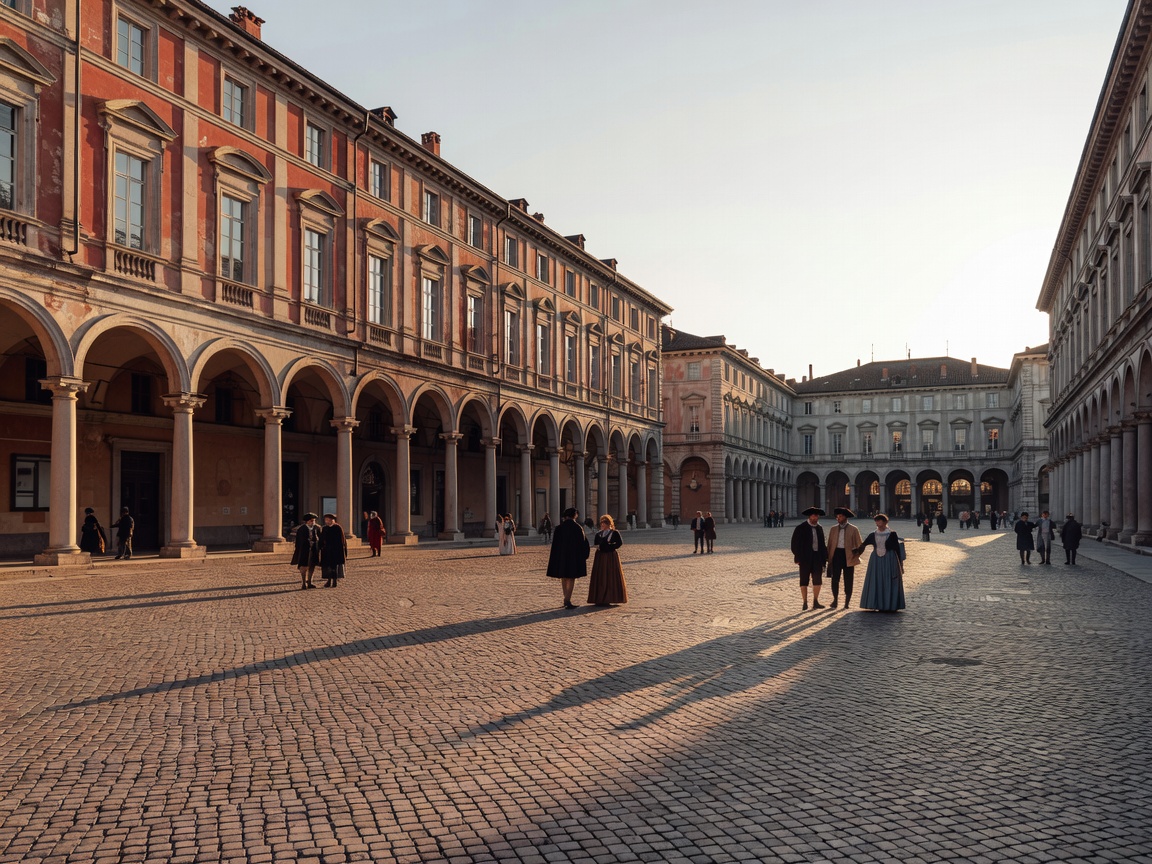
Football in Turin begins well before kick-off, rooted in the city’s centuries-old salon and cafe traditions. Matchdays typically involve meeting under the porticoes for an espresso, a glass of regional Barolo, or a traditional Piedmontese aperitivo:
- Caffè Torino (Piazza San Carlo): Known for its iconic brass bull embedded into the pavement outside. Local tradition suggests stepping on the bull brings fortune—an everyday ritual for both tourists and football fans heading to matches.
- Caffè San Carlo: Opulent gilded mirrors and crystal chandeliers that once hosted Cavour and political leaders of the Risorgimento, now welcoming neatly dressed fans on Sunday mornings reading Tuttosport and La Gazzetta dello Sport.
- Caffè Al Bicerin (Piazza della Consolata): The birthplace of the famous Bicerin, a warm layered drink of rich melted chocolate, espresso, and fresh cream. Ideal for bracing winter matches in December and January.
- Caffè Mulassano (Piazza Castello): The intimate art nouveau bar renowned for introducing the tramezzino triangular crustless sandwich to Italy in the 1920s.
Where to Watch Away Fixtures in the City
| District | Vibe & Crowd | Notable Venues / Streets |
|---|---|---|
| Quadrilatero Romano | Artisanal wine bars, cozy piazzas, lively post-match gathering spots. | Via Tre Galli, Via Sant’Agostino |
| San Salvario | Eclectic, youthful, vibrant nightlife hub with large TV screens in sports pubs. | Largo Saluzzo, Via Madama Cristina |
| Vanchiglia | Student-friendly bars close to the river Po and Mole Antonelliana. | Via Santa Giulia |
| Centro / Via Roma | Refined outdoor terraces; convenient for immediate metro connections. | Piazza CLN, Via Po |
Matchday Etiquette and Supporter Culture
Visiting supporters will find Turin to be an orderly and visually composed city. Unlike some southern Italian sporting hubs where club flags drape entire tenement streets year-round, Turin’s bianconeri support is more understated until game day, when black-and-white scarves fill the Corso Francia and Corso Regina Margherita public transit arteries.
When attending a game or viewing at an inner-city sports bar, fans are expected to maintain respect for rival jerseys. Wearing Juventus gear in central historic cafes is completely acceptable, though wearing colors directly in the historic Granata stronghold neighborhoods around the Stadio Filadelfia is treated with caution by experienced travelers.
The Culinary Halftime: Agnolotti & Gianduiotto
A football weekend in Turin provides immersion into Piedmont’s culinary heritage. Post-match dinners typically center on local trattorias serving handmade agnolotti del plin (pinched pasta filled with roasted meats), vitello tonnato, and hazelnut-based gianduiotti chocolates. Food is as much an institution here as the 4-3-3 formation.